• Team
  • Subprojects
  • Research Clusters
  • Activities & Events
  • Publications & Talks

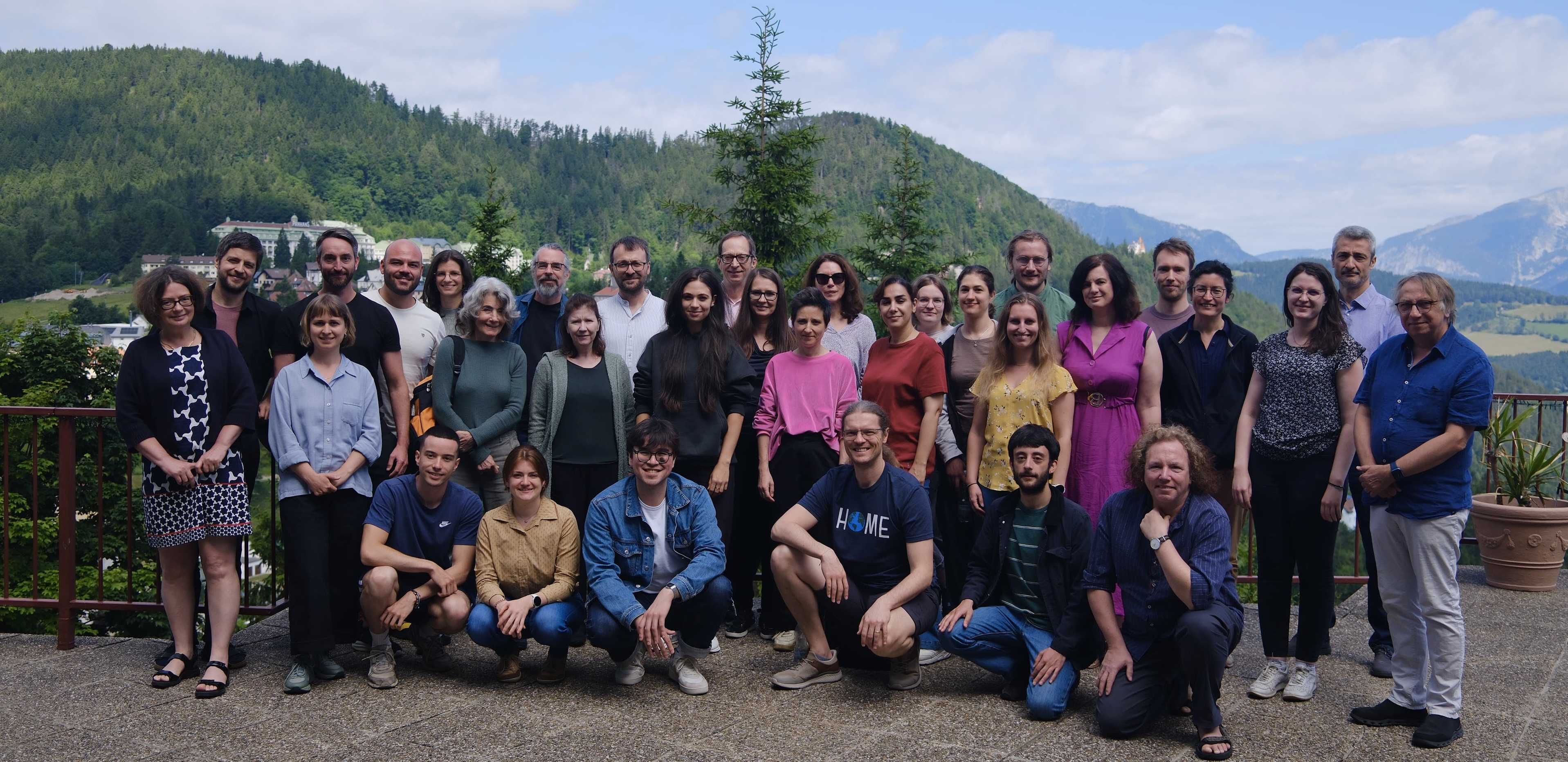
Our team

P01 – Theoretical Task Force
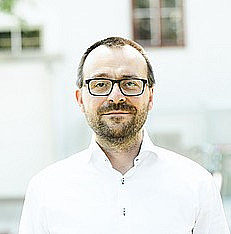
Univ.-Prof. Dr.phil. Edgar Onea
CoordinatorUniversity of Graz

edgar.onea-gaspar[at]uni-graz.at Academic website
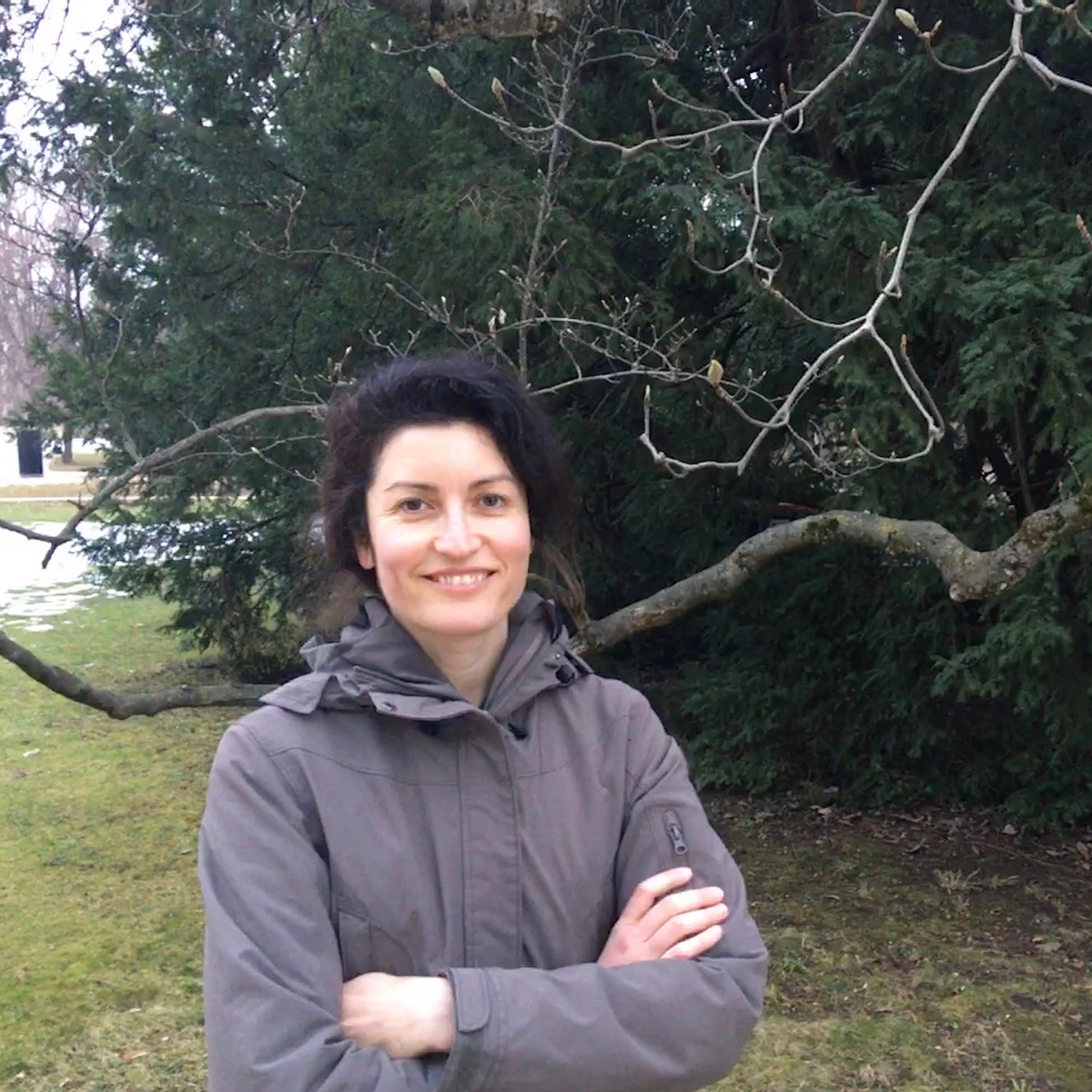
Edgar Onea coordinates the ReDeFi project. He received his doctorate from Heidelberg University in 2005 and subsequently worked at the University of Stuttgart from 2006 to 2010. At the University of Göttingen, he served as Junior Professor from 2010 to 2016 and as W2 Professor from 2016 to 2017. Since September 2017, he has been Professor of German Language and Linguistics at the University of Graz, where he heads the Department of Theoretical and Empirical Linguistics. His current research focuses on text structure and political language. He is also involved in the interdisciplinary FWF- and DFG-funded project “The Erotetic and the Aesthetic: How Linguistic Features of Literary Texts Determine Literary Suspense,” conducted jointly with the University of Göttingen.
Dr. Sarah Melker
Postdoc ResearcherUniversity of Graz

sarah.melker[at]uni-graz.at Academic website
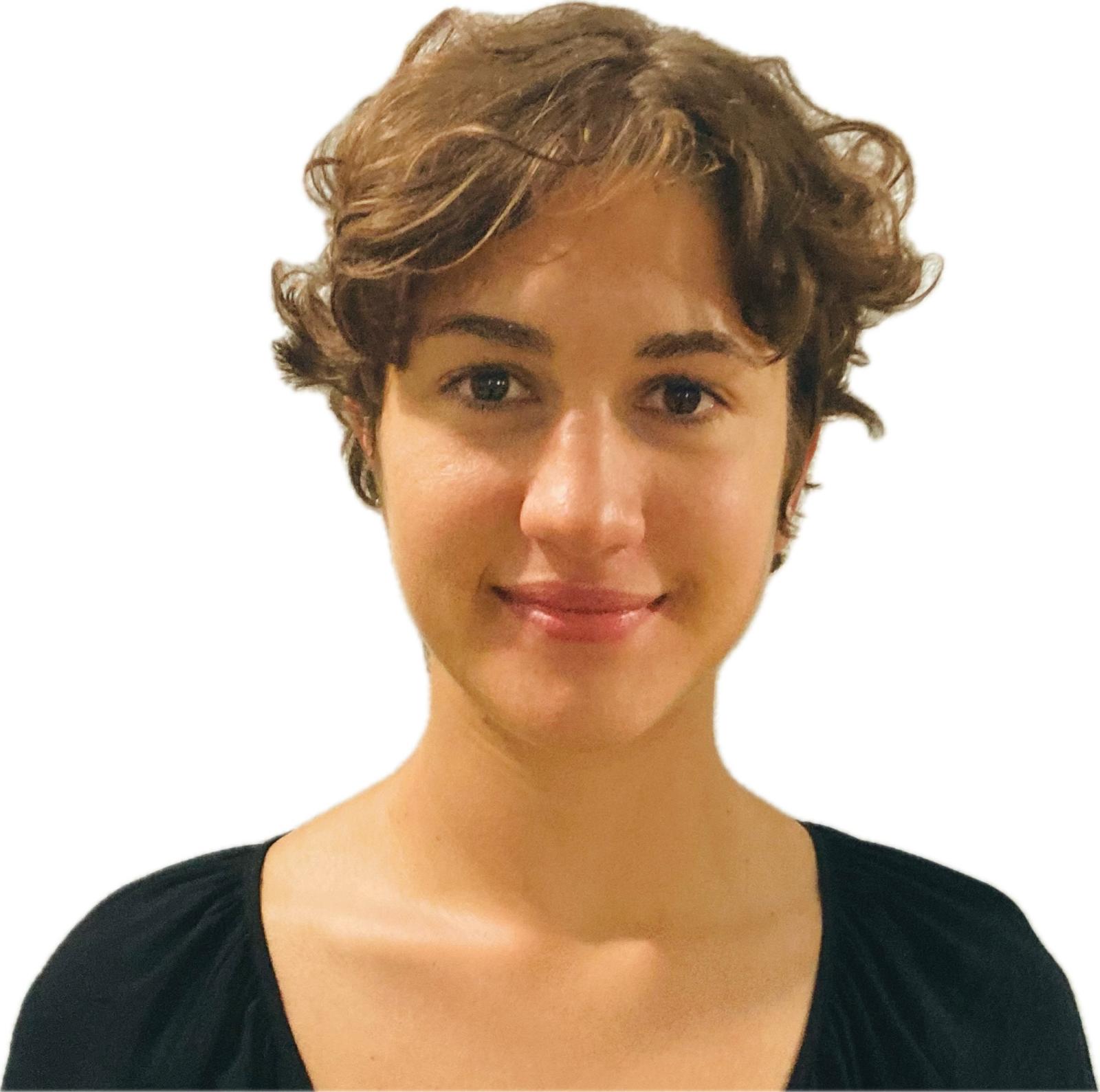
Sarah Melker completed her undergraduate studies in French language and literature at Bryn Mawr College in the United States, followed by a master’s degree at Sciences Po in Paris. In 2018, she returned to higher education to pursue an MSc in Forensic Speech Science at the University of York in the United Kingdom. Her dissertation focused on delocutivisation, a particular type of derivational pathway.
Martina Barili, MA
PhD StudentUniversity of Graz

martina.barili[at]uni-graz.at Academic website
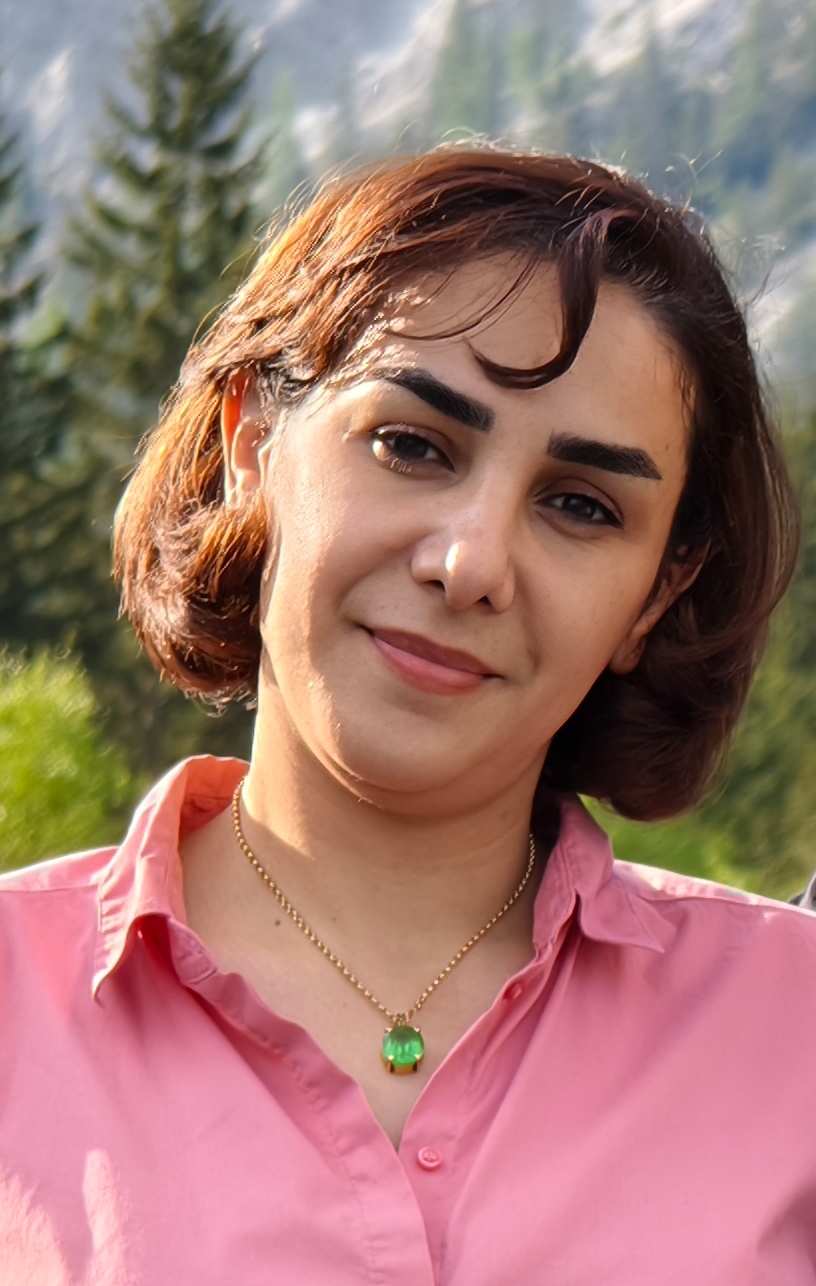
Martina Barili holds a master’s degree in Language and Mind from the University of Siena. Her thesis investigated the distribution of scale modifiers with complex adjectives to test their gradability experimentally. Her broader research interests include copular clauses, alternative semantics, and phenomena at the interface between syntax, semantics and pragmatics. Within the ReDeFi project, her current research aims to develop a novel model of grammar that incorporates the properties of redundancy and deficiency.
Nastaran Divani, MA
PhD StudentUniversity of Graz

nastaran.divani[at]uni-graz.at Academic website

Nastaran Divani is a linguist and researcher at the University of Graz. Her research focuses on the syntax of Kurdish, particularly on clitic systems and their role in the establishment of syntactic dependencies. Drawing mainly on Sanandaji Kurdish, she investigates how clitics interact with verbal agreement, argument structure, and the realization of subjects and objects. Her work is situated within the generative approach to syntax, with a particular interest in what clitic systems can tell us about the structure of grammar.

P02 – Grammatical Gender in Discourse and Grammar

Univ.-Prof. Dr.phil. Edgar Onea
Principal InvestigatorUniversity of Graz

edgar.onea-gaspar[at]uni-graz.at Academic website
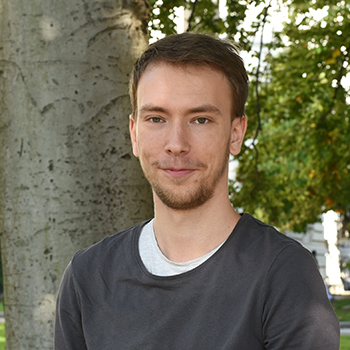
Edgar Onea coordinates the ReDeFi project. He received his doctorate from Heidelberg University in 2005 and subsequently worked at the University of Stuttgart from 2006 to 2010. At the University of Göttingen, he served as Junior Professor from 2010 to 2016 and as W2 Professor from 2016 to 2017. Since September 2017, he has been Professor of German Language and Linguistics at the University of Graz, where he heads the Department of Theoretical and Empirical Linguistics. His current research focuses on text structure and political language. He is also involved in the interdisciplinary FWF- and DFG-funded project “The Erotetic and the Aesthetic: How Linguistic Features of Literary Texts Determine Literary Suspense,” conducted jointly with the University of Göttingen.
Simon Dampfhofer, BA BSc MA
PhD StudentUniversity of Graz

simon.dampfhofer[at]uni-graz.at Academic website

Besides a M.A. in German linguistics and philology (with a thesis on the semantics of German indefinites), Simon Dampfhofer holds a B.Sc. in Physics and is currently engaged in further academic studies in the areas of Physics and Philosophy. He has prior experience in formal semantics, empirical and statistical methodology, as well as implementation of empirical linguistic experiments. Current research interests include syntax and semantics of pronouns as well as of phi features, discourse representation, and philosophy of language.

P03 – Mismatches in Binding and Coreference
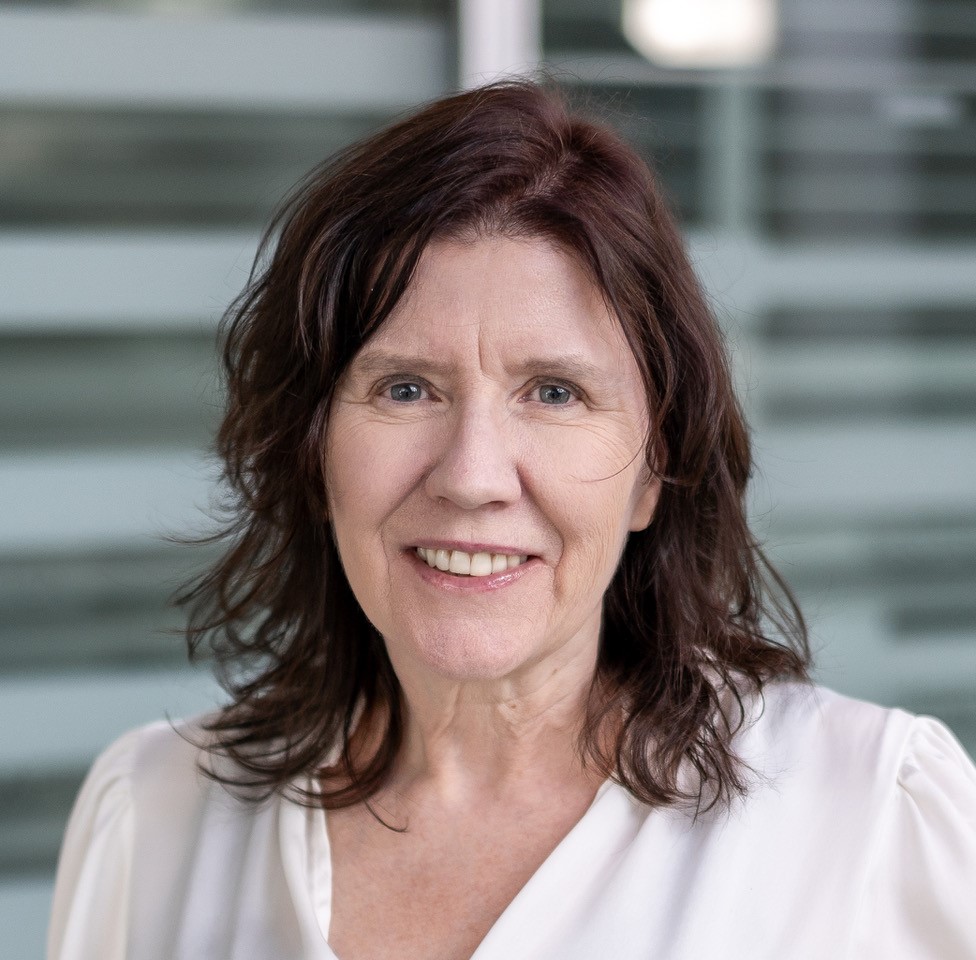
Univ.-Prof. Mag., PhD. Susanne Wurmbrand
Principal InvestigatorUniversity of Salzburg

susanne.wurmbrand[at]plus.ac.at Academic website
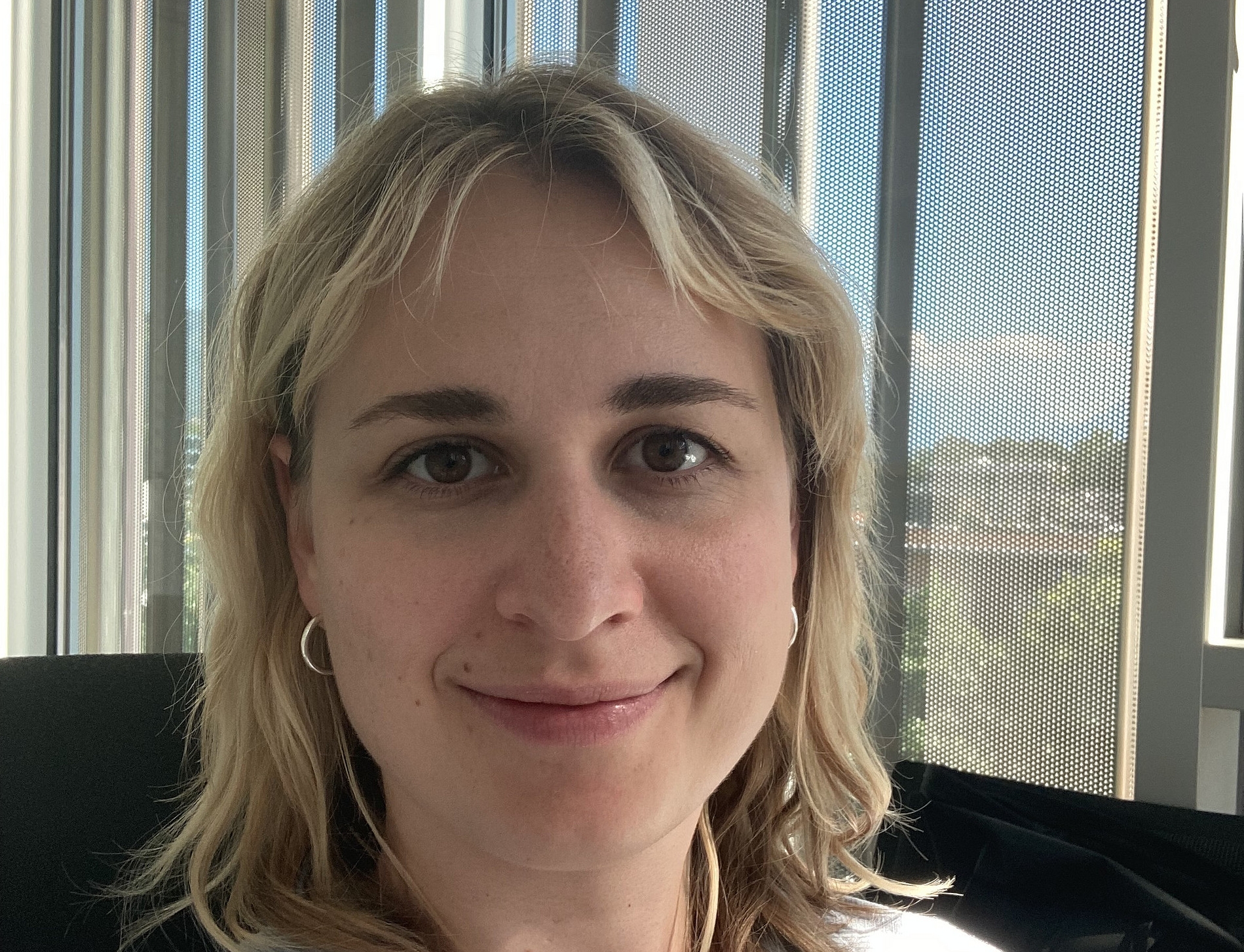
Susi Wurmbrand is Professor of Linguistics at the University of Salzburg. She previously held positions at McGill University and the University of Connecticut, as well as a part-time appointment at Harvard University. Her research in theoretical linguistics focuses on syntax and its interfaces. She is a member of the Academia Europaea and holds several editorial positions.
Franziska Keller, BSc MA
PhD StudentUniversity of Salzburg

franziska.keller[at]plus.ac.at Academic website
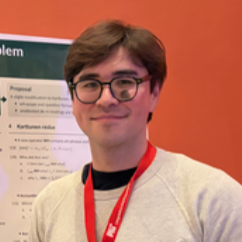
Franziska Keller is a PhD student at the University of Salzburg and a research assistant in Susanne Wurmbrand’s subproject “Mismatches in Binding and Coreference.” She holds a BSc in General Theoretical Linguistics from the University of Potsdam and an MA in General Linguistics from the University of Vienna. Her research within the subproject examines binding phenomena, particularly the formal and cross-linguistic properties of fake indexicals in relative clauses. Her broader interests include the morphology–syntax interface, root-and-pattern morphology, Arabic languages, resumptive pronouns, and syntactic movement. She has also participated in several conferences and summer schools, including EGG and ÖLT.
Dr. Filipe Hisao de Salles Kobayashi
Postdoc ResearcherUniversity of Salzburg

filipe.kobayashi[at]plus.ac.at Academic website

P05 – The Role of Self in Pronominal Coreference
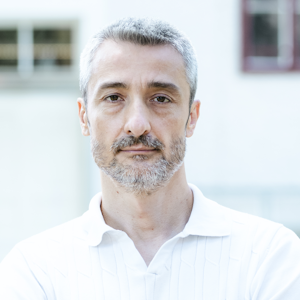
Univ.-Prof. PhD Boban Arsenijević
Principal InvestigatorUniversity of Graz

boban.arsenijevic[at]uni-graz.at Academic website
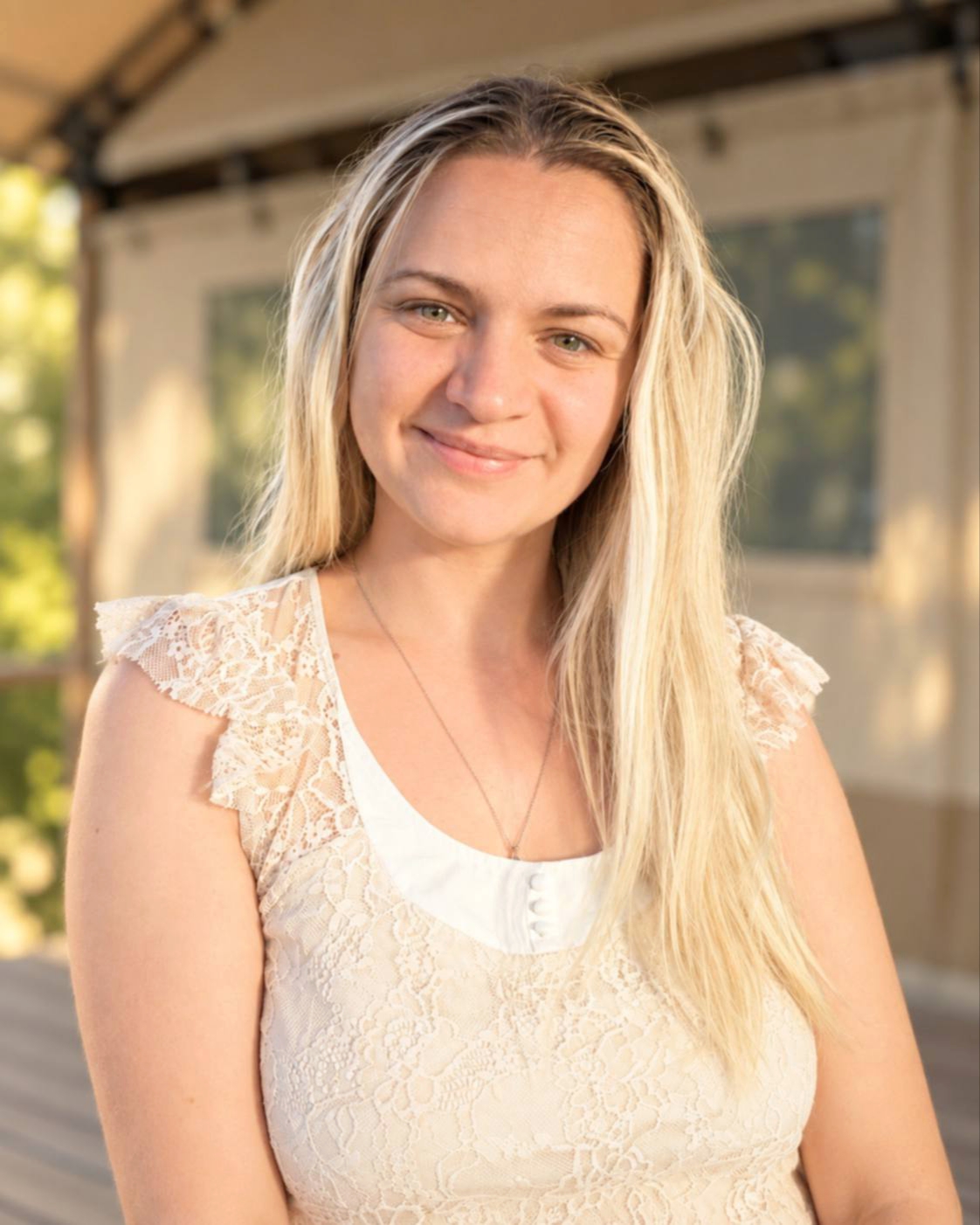
Boban Arsenijević is Professor of Slavic Linguistics at the University of Graz. He earned a BA in Serbo-Croatian Language and Literature from the University of Niš, an MA in Linguistics from the University of Belgrade, and a Research MA and PhD in Linguistics from Leiden University. His research examines the interfaces of syntax with semantics and phonology, with particular emphasis on Slavic languages. His main interests include verbal aspect and morphology, clausal embedding, and semantic ontology. Within the SFB, he investigates similarities between intensified and reflexive pronouns that may underlie their diachronic and typological connections. His comparative research covers Slavic languages, where intensifiers may receive reflexive interpretations despite being formally distinct; German, where reflexives can combine with intensifiers; and Malayalam and English, where reflexive and intensified pronouns are formally identical.
Aleksandra Milosavljević, MA
PhD StudentUniversity of Graz

aleksandra.milosavljevic[at]uni-graz.at Academic website
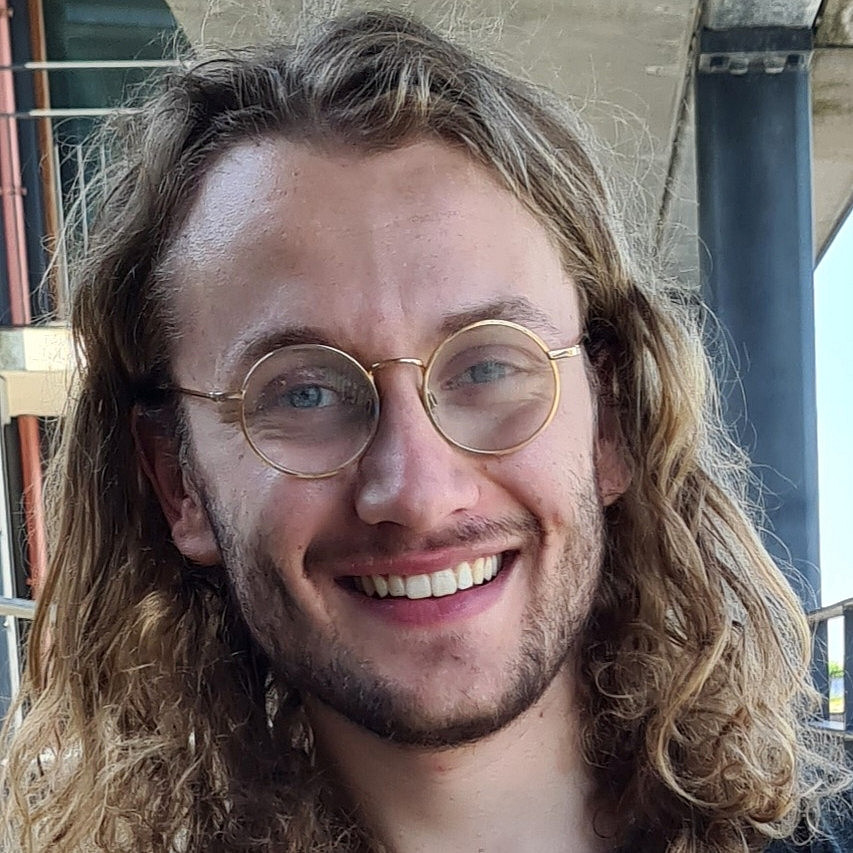
Aleksandra Milosavljević is a researcher and PhD student at the University of Graz. She holds MA degrees in Linguistics and Communication Studies from the University of Belgrade. From 2018 to 2024, she worked at the Institute for the Serbian Language of the Serbian Academy of Sciences and Arts. Her research focuses on syntax and semantics, particularly expletive and defective pronouns, clause structure, and verb complements. She has presented her work at conferences including SinFonIJA, FDSL, SLE, and ConSOLE, and has published in Glossa, Balcania et Slavia, and the Proceedings of ConSOLE. Her international academic experience includes the Go Styria exchange programme at the University of Graz and the EGG summer schools.
Joeri Vinke, MA
PhD StudentUniversity of Graz

joeri.vinke[at]uni-graz.at Academic website

Joeri Vinke holds a bachelor’s degree in Linguistics from the University of Groningen and a Research Master’s degree in Linguistics from Utrecht University. His master’s thesis examined Differential Object Marking in heritage languages, with particular attention to Sarnámi Hindustani, an underdescribed East Indo-Aryan heritage language. His broader research interests include relations between arguments, adpositional syntax, the adjunct–argument distinction, and head movement. Within the project, he investigates the interactions among derivational theories of binding, inalienable possession, and intensification, and how these interactions can explain the cross-linguistic patterns examined by the project.

P06 - The (Non-)Deficiency and (Non-)Redundancy of Clitic Pronouns
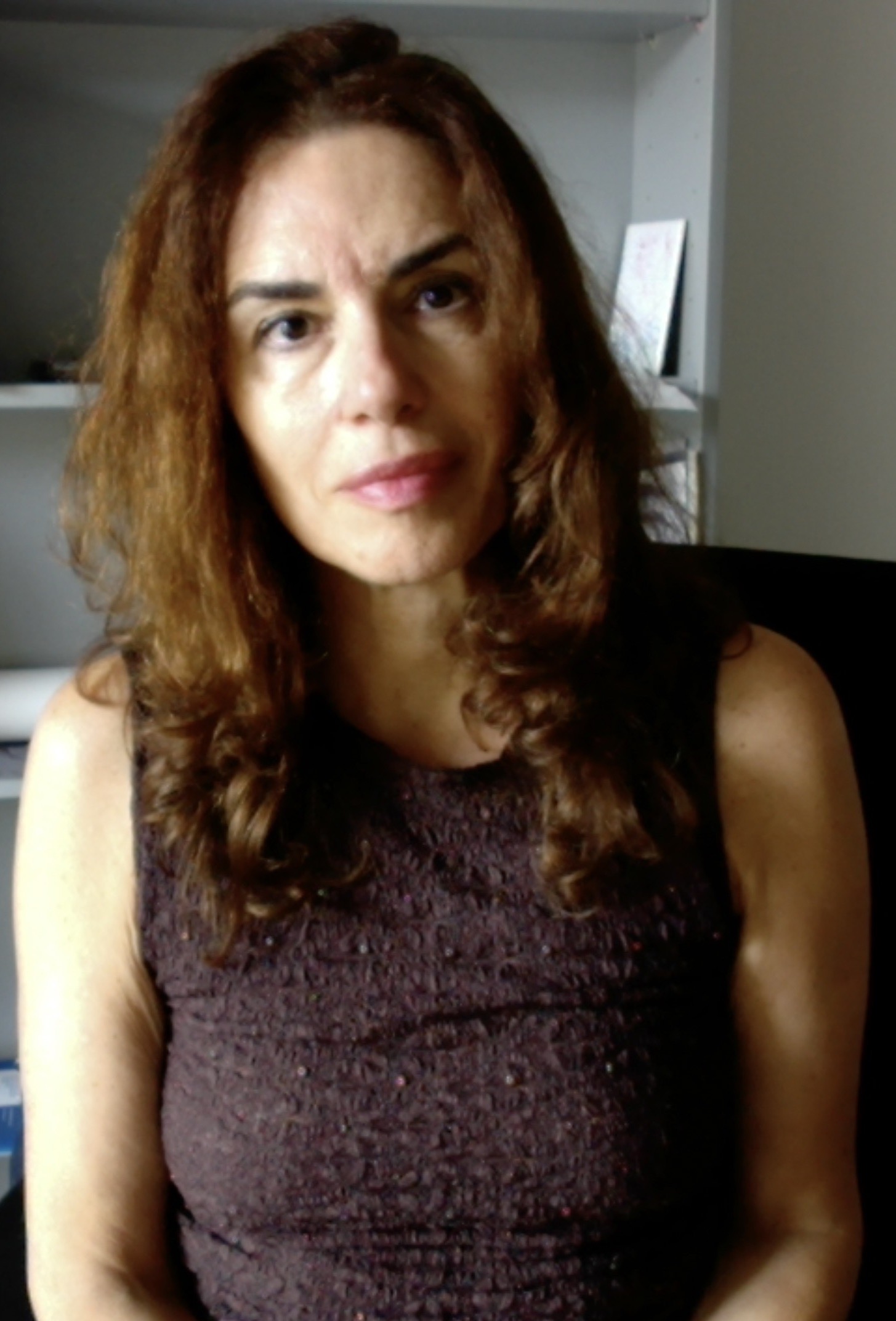
Associate Prof. Dr. Dalina Kallulli
Principal InvestigatorUniversity of Vienna

dalina.kallulli[at]univie.ac.at Academic website
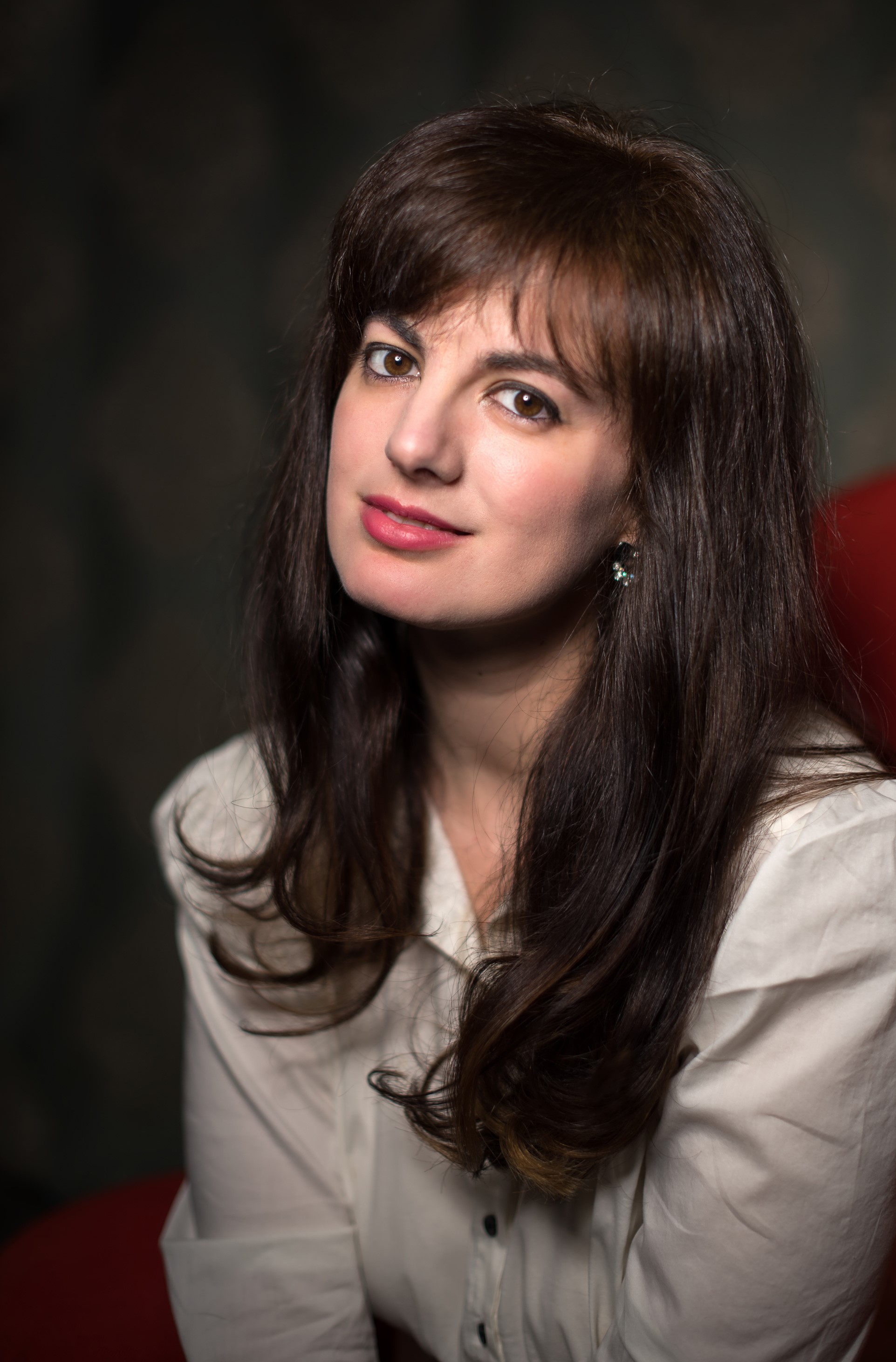
Dalina Kallulli earned an MA in English from the University of Tirana in 1991, an MPhil in General Linguistics from the University of Trondheim in 1995, and a PhD in Theoretical Linguistics from Durham University in 1999. Following several research fellowships, she joined the University of Vienna as Assistant Professor and was subsequently promoted to Associate Professor. Her research focuses on voice and argument structure, including verbal diminutives, as well as clitic constructions, resumption, relative clauses, and other wh-constructions.
Dr. Adina Camelia Bleotu
Postdoc ResearcherUniversity of Vienna

adina.camelia.bleotu[at]univie.ac.at Academic website
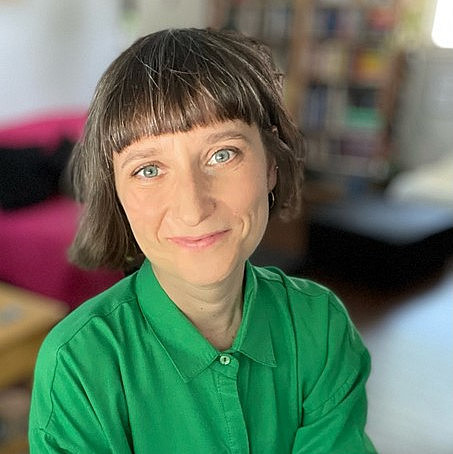
Adina Camelia Bleotu is an Assistant Professor at the University of Bucharest. She received her PhD in Linguistics from Ca’ Foscari University of Venice in 2015. Her dissertation on morphological approaches to denominal verbs was subsequently published as a monograph by Brill. She has held fellowships at the University of Massachusetts Amherst and ZAS Berlin, and her research has appeared in journals including Language Acquisition, Glossa, and the Journal of Memory and Language. Her work combines theoretical linguistics, experimental methods, and language acquisition, with particular attention to children’s acquisition of logical operators, recursion, agreement, and strong and weak pronouns. Her current research examines null objects, reflexivity, reflexive clitics, and the Person–Case Constraint.
Dr. Ekaterina Levina
Postdoc ResearcherUniversity of Vienna

ekaterina.levina[at]univie.ac.at Academic website

Ekaterina Levina received her PhD in Linguistics from the University of Texas at Austin in 2024. She previously completed an MA in Theoretical Linguistics in 2014 and a BA in German Linguistics and Spanish in 2011 at Humboldt University of Berlin. She also holds a degree in German as a Foreign Language, comparable to a BA, from Leipzig University and a law degree, comparable to a JD, from Saint Petersburg Polytechnic University. Her research connects semantics, syntax, and pragmatics from cross-linguistic and typological perspectives. Her principal interests include definiteness, anaphoric uptake, possessives, event conceptualization, and modality.

P07 — Deficiency and Redundancy in Iberoromance Pronominal Systems
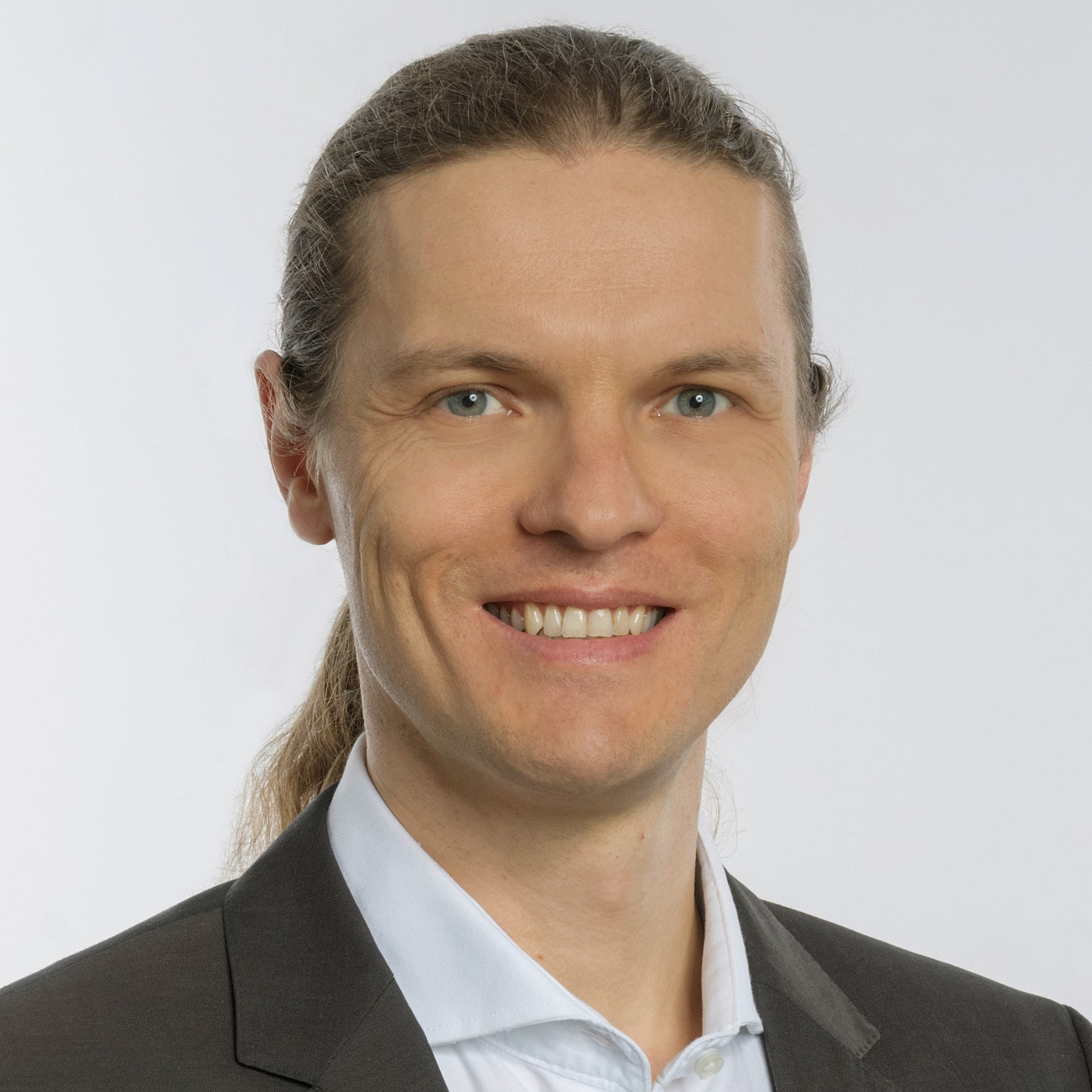
Associate Prof. Mag. Dr. Albert Wall
Principal InvestigatorUniversity of Vienna

albert.wall[at]univie.ac.at Academic website

Albert Wall received his master’s degree in Romance and East Slavic Philology from the University of Tübingen in 2008 and completed his doctorate in Comparative Romance Linguistics at the University of Zurich in 2015. He joined the University of Vienna in 2020 and was appointed Associate Professor of Romance Linguistics in 2025. His research focuses on argument structure and the syntax and semantics of nominals in Ibero-Romance varieties. He also investigates the syntax–phonology interface and linguistic variation through experimental and other complementary methods. This methodological diversity enables him to examine theoretically significant phenomena that are difficult to observe directly.
Philippa Adolf, MA
PhD StudentUniversity of Vienna

philippa.adolf[at]univie.ac.at Academic website

Philippa Adolf holds a BA in Romance Linguistics and has completed the Bavarian state examination for teaching English and Spanish at secondary level. Her research examines how syntactic, semantic, and discourse-related factors shape direct-object realisation in Spanish, with particular emphasis on differential object marking, clitic doubling, and null objects. She combines corpus and experimental methods and is insterested in modelling linguistic variation quantitatively. Her previous work examines differential object marking in the Spanish of German-speaking learners in comparison with monolingual speakers.
Marco Losavio, MA
PhD StudentUniversity of Vienna

marco.giacomo.losavio[at]univie.ac.at Academic website

Marco holds a master’s degree in Classical Greek Philology from the University of Zurich. His current research examines clitic doubling and null objects in Ibero-Romance varieties, with a particular focus on Brazilian Portuguese and ongoing changes in its pronominal system. His broader interests include historical and comparative linguistics, especially diachronic variation. His master’s thesis investigated the development of perfective periphrases from Ancient Greek to a Modern Greek dialect spoken in Southern Italy.

P08 – Fading Reference – The Pragmaticalization of Pronoun + Verb
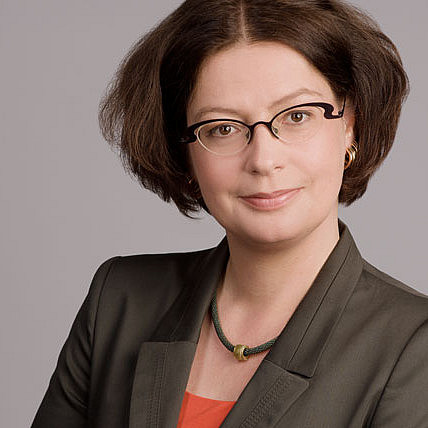
Univ.-Prof. Dr. Eva-Maria Remberger
Principal InvestigatorUniversity of Vienna

eva-maria.remberger[at]univie.ac.at Academic website
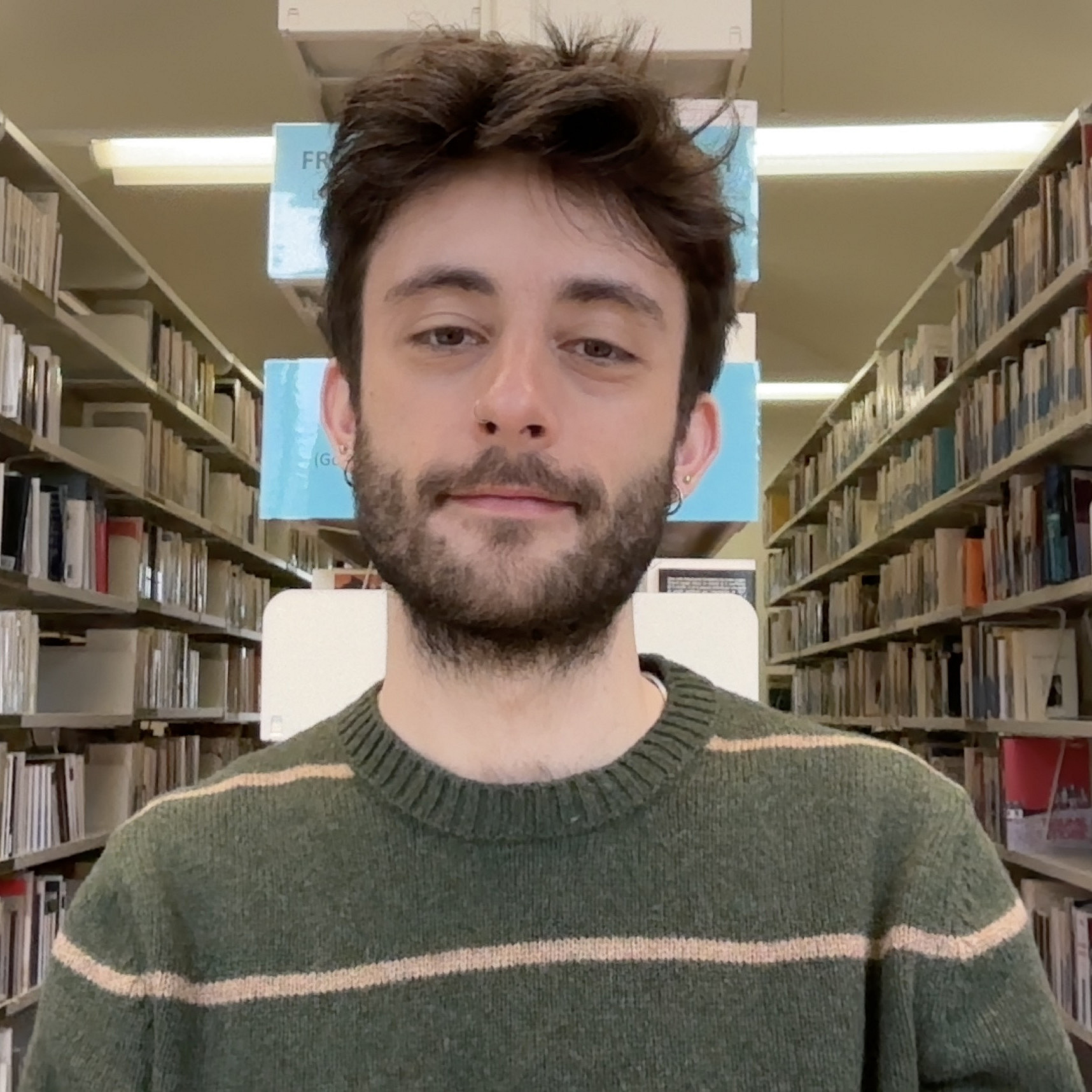
Eva Maria Remberger studied Romance Languages and Literatures, German, and English at the University of Cologne, as well as German as a Foreign Language at the University of Bonn. She completed her doctorate at Freie Universität Berlin in 2003. From 2007 to 2008, she was a Feodor Lynen Fellow of the Alexander von Humboldt Foundation at the University of Cambridge and Clare Hall. She served as Junior Professor of Romance Linguistics at the University of Konstanz from 2006 to 2013 and has been Professor of Romance Linguistics at the University of Vienna since 2013. Her research spans grammatical theory, modality, volitionality, evidentiality, discourse-marker development, and the morphology and formal pragmatics of Romance languages from synchronic and diachronic perspectives. She also investigates language contact and connections among migrant languages, Romance languages, and Latin in language teaching and subject didactics.
Andrea Miglietta, MA
PhD StudentUniversity of Vienna

andrea.miglietta[at]univie.ac.at Academic website
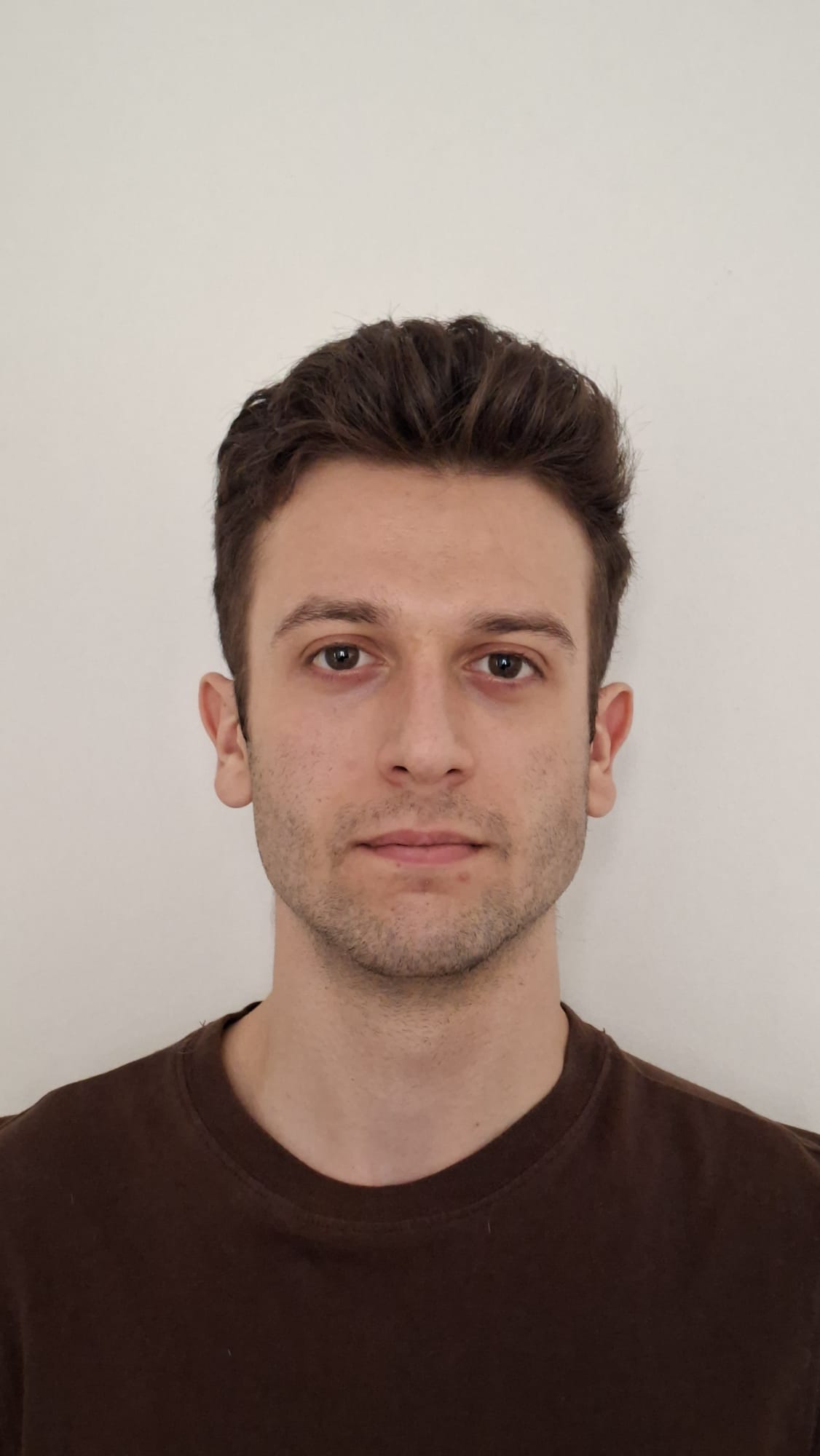
Andrea Miglietta holds a BA in Humanities and an MA in Linguistics from the University of Bologna. His research focuses on interactions between pronouns and verbs in Italian. In his master’s thesis, he investigated the semantic boundaries of Italian restructuring verbs, using clitic climbing as a diagnostic. His subsequent work examines pronouns in Italian deverbal discourse markers and uses corpus data to develop morphosyntactic models of discourse-oriented elements. His broader research interests include epistemic modality, grammaticalization, and parenthetical verbs.
Ignasi Planas Villalba, BA MA
PhD StudentUniversity of Vienna

ignasi.planas.villalba[at]univie.ac.at Academic website

Ignasi holds a Bachelor’s degree in Linguistics and a Master’s degree in General Linguistics from the University of Vienna, with a thesis on The Role of Kinship in Nominal Morphosyntax under the supervision of Dalina Kallulli. His research examines the behaviour of pronominal elements in pronoun–verb sequences in Catalan and closely related languages to understand how grammaticalization and pragmaticalization, as Redundant and Deficient operations, interact. His broader interests include comparative and diachronic morphosyntax of Romance languages, and grammar theory. He also organizes the yearly Jornades de Lingüística Catalana a Viena, as well as other conferences on Romance linguistics.

P09 – Animacy Features and the Flexibility of Pronouns
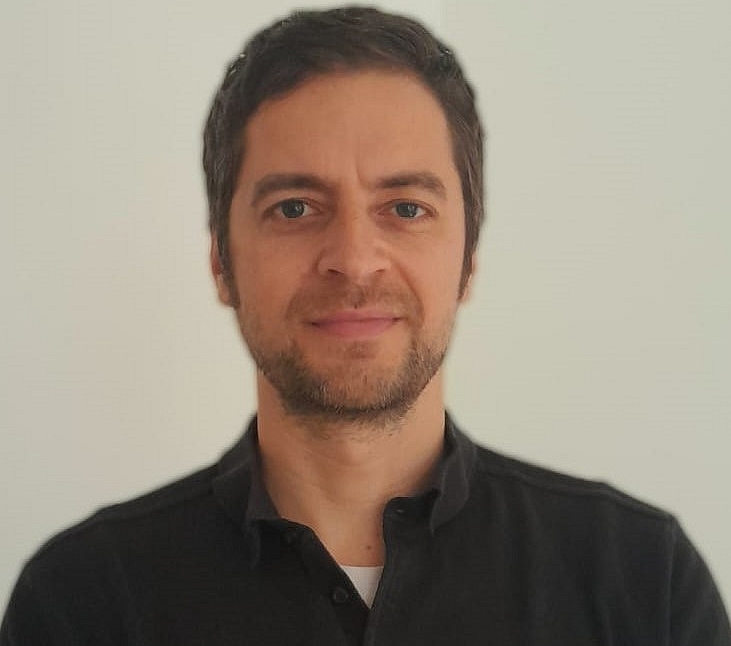
Associate Prof. Mag. Dr. Steffen Heidinger
Principal InvestigatorUniversity of Graz

steffen.heidinger[at]uni-graz.at Academic website
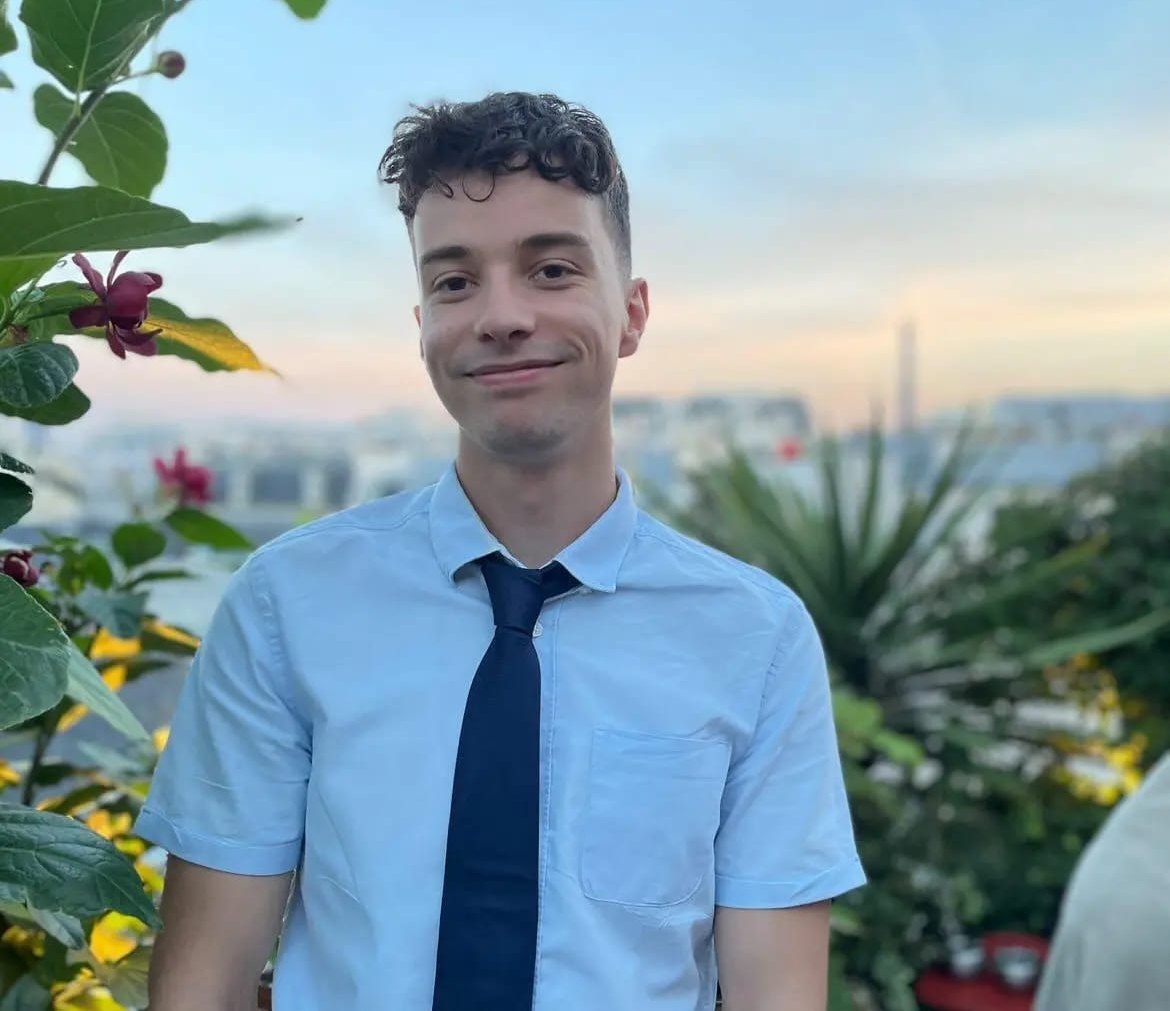
Steffen Heidinger is Associate Professor of Romance Linguistics at the University of Graz. He completed his doctorate in 2008 within a Franco-German graduate programme involving the universities of Stuttgart and Paris 8. His dissertation examined the diachronic development of French anticausatives. In 2017, he completed his habilitation in Romance Linguistics at the University of Graz with a thesis on the information-structural properties of Spanish depictives. His current research focuses on the animacy features of French and Spanish pronouns. Within the subproject “Animacy Features and the Flexibility of Pronouns,” he investigates whether particular pronoun types are specified for animacy and how redundancy and deficiency license uses that diverge from these specifications, such as strong pronouns referring to inanimate entities.
Dr. Yanis da Cunha
Postdoc ResearcherUniversity of Graz

yanis.da-cunha[at]uni-graz.at Academic website

Yanis da Cunha is a researcher in Romance Linguistics at the University of Graz. His doctoral research at Université Paris Cité examines gender effects on grammatical-function assignment, including biases that favour male subjects and female objects. More broadly, he investigates the factors underlying syntactic alternations, particularly variation in voice and word order across English, French, Modern Greek, and Spanish. Within the subproject “Animacy Features and the Flexibility of Pronouns,” he studies the role of gender in French and Spanish pronominal systems. His research explores how grammatical gender affects the animacy restrictions associated with certain pronouns, including French strong pronouns, and how pronouns accommodate mismatches between grammatical and semantic gender, such as reference to gender-underspecified nouns.

P10 – Deficiency and Redundancy in Expressing Temporal Relations
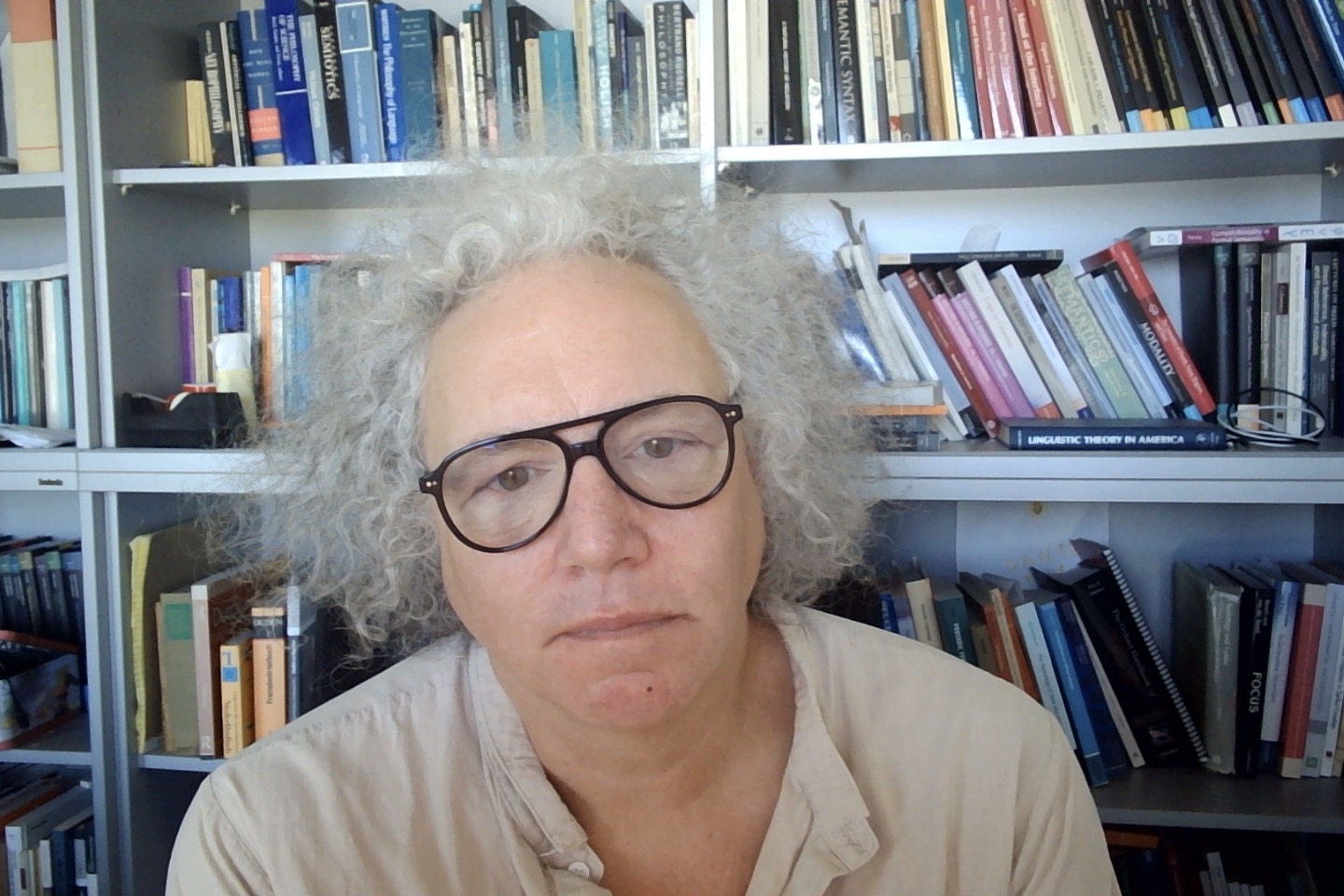
Univ.-Prof. Dr. Daniel Büring
Principal InvestigatorUniversity of Vienna

daniel.buring[at]univie.ac.at Academic website

Daniel Büring is Professor of Linguistics at the University of Vienna, which he joined in 2010. He received his PhD from the University of Tübingen under the supervision of Arnim von Stechow. Before moving to Vienna, he held professorships at the University of California, Santa Cruz, and the University of California, Los Angeles. His research focuses on formal semantics and pragmatics. He has published around 50 journal articles and contributions to books, as well as three monographs. His work addresses a wide range of questions about linguistic meaning, including intonation and meaning, binding theory, comparatives, discourse particles, and tense.
Dr. Madeleine Butschety
Postdoc ResearcherUniversity of Vienna

madeleine.butschety[at]univie.ac.at Academic website
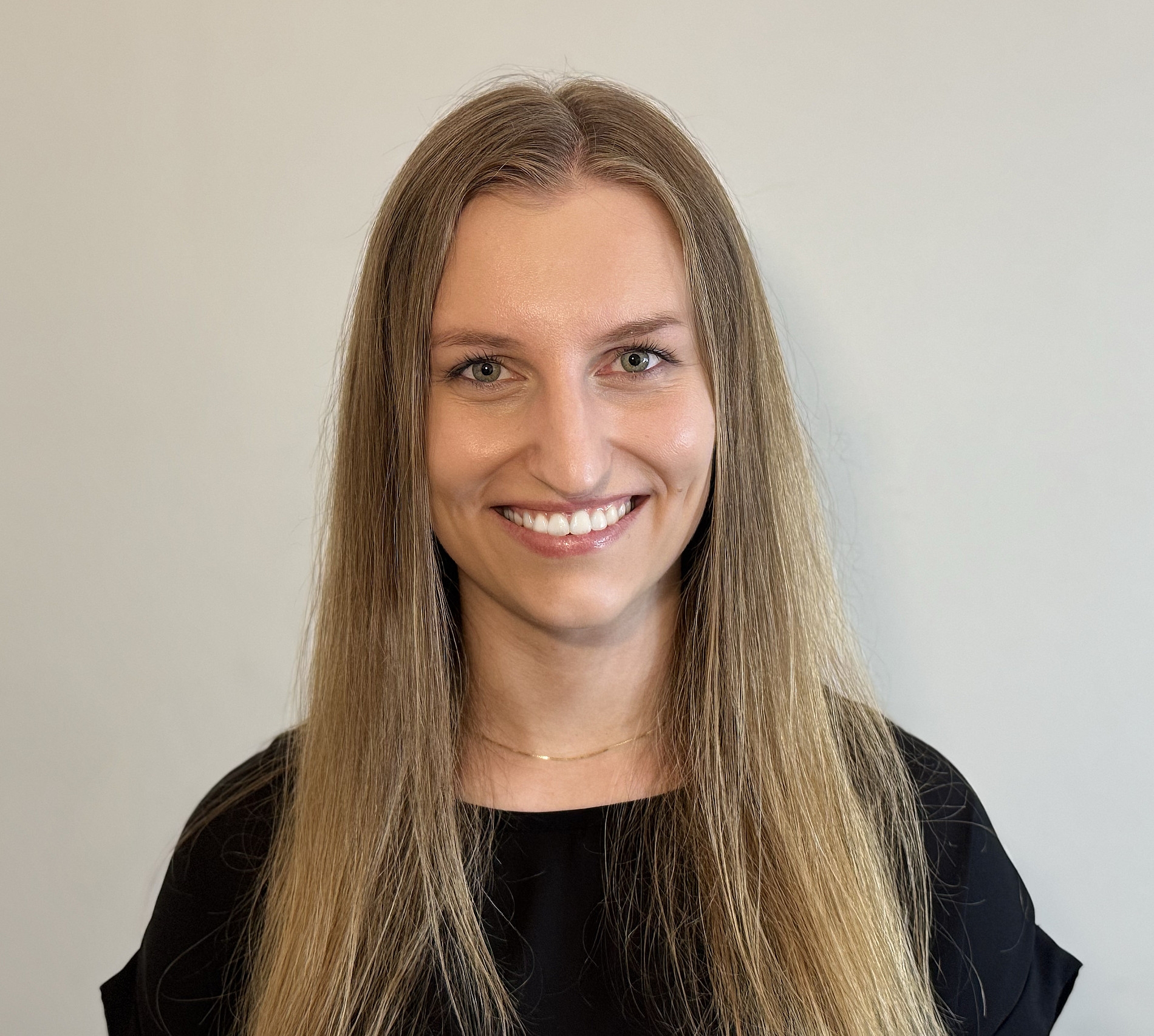
Madeleine Butschety completed both of her M.A. degrees in General Linguistics (2017) and German Philology (2021) at the University of Vienna, and completed her Ph.D. in 2023 at the University of Graz with a dissertation on additive particles in Germanic, and comitative constructions in Slavic languages. From 2023 until 2025, she worked as a PostDoc researcher at the University of Nova Gorica. Her work focuses on cross-linguistic research on topics in formal semantics and syntax, such as complement anaphora, comparatives/equatives, infinitival complements embedded under factive verbs, plural pronouns, quantification, and temporal adverbials.
Melanie Loitzl, BA BA BEd MA MEd
PhD StudentUniversity of Vienna

melanie.loitzl[at]univie.ac.at Academic website
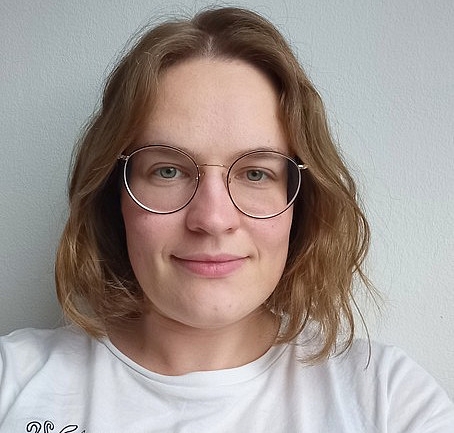
Before beginning her doctoral studies in Vienna, Melanie Loitzl completed bachelor’s degrees in German Studies, English and American Studies, and Teacher Education in German and English at the University of Graz. She subsequently earned a master’s degree in German Studies there, with a thesis on the use and interpretation of directional adverbs in Bavarian, and is currently completing a master’s degree in Teacher Education. Her doctoral research examines the formal properties of temporal adverbs and their interaction with tense, with particular attention to indexical expressions such as yesterday and today and complex expressions such as Monday evening and early this morning. She combines formal analysis in semantics and syntax with empirical methods, building on experience gained as a student assistant at the Department of German Studies in Graz.
Justina Schindler, BA MA
PhD StudentUniversity of Vienna

justina.schindler[at]univie.ac.at Academic website

Justina Schindler holds a bachelor’s degree in Linguistics from Leipzig University and a master’s degree in General Linguistics from the University of Vienna. She also spent a year studying logic at the University of Amsterdam. Her primary research interest is formal semantics, with a particular focus on the interaction between tense and temporal quantification.

Associated members

  • Dr. Shannon Bryant
  • Professor Pritha Chandra
  • Mag.phil. Maya Cortez Espinoza
  • Dr. Jeannique Darby
  • Dr. Irene Fally
  • Prof. Dr.phil. Katharina Felka
  • Dr. Pamela Goryczka, BA BA MA MA
  • Dr. Peter Herbeck
  • Univ.-Prof. Dr. Gianina Iordachioaia
  • Prof. Dr. Monica Alexandrina Irimia
  • Dr. Svenja Krieger
  • Mast. prof. jez. i knjiž Dr.phil. Stefan Milosavljević
  • Professor Heather Newell
  • Anita Prokop, BA BA MA
  • Caroline Gardner, BA

Former members

  • Dr. Peter Herbeck
  • BEd Alina Schwarzenberger
 

Universität Graz, Universitätsplatz 3, 8010 Graz
Contact email: contact@sfb-redefi.at
© 2026 SFB Language between Redundancy and Deficiency